| 
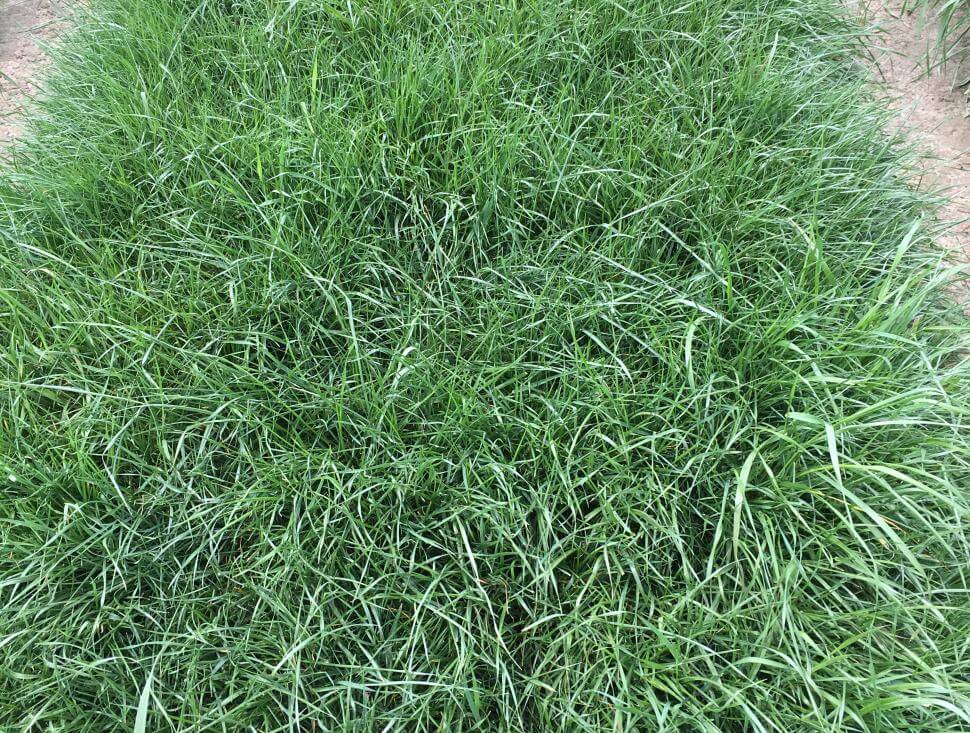
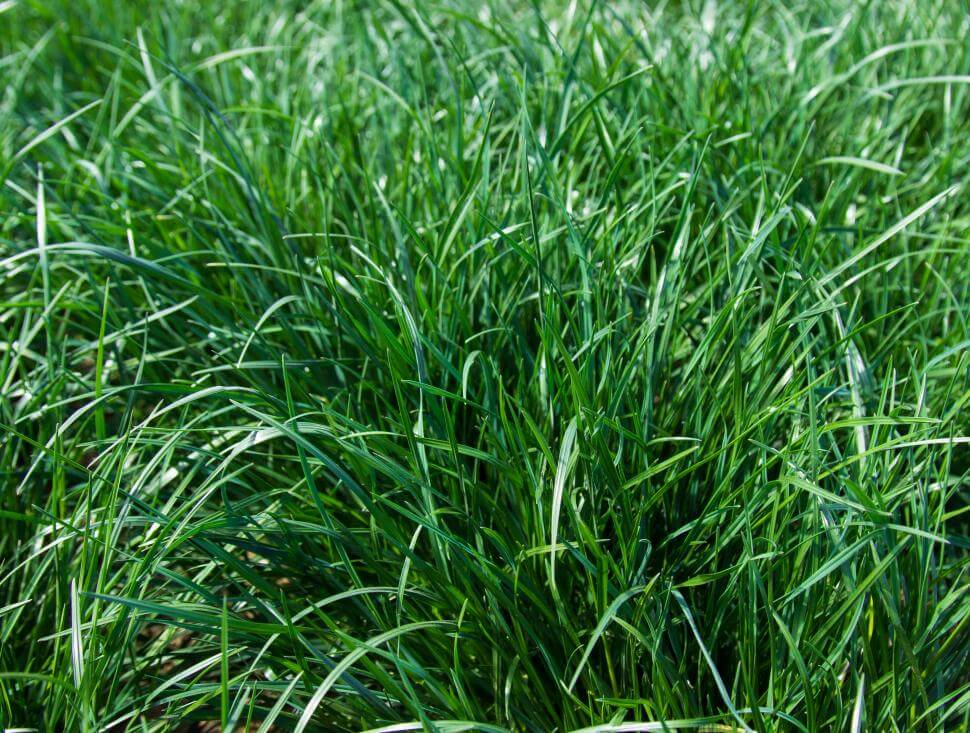
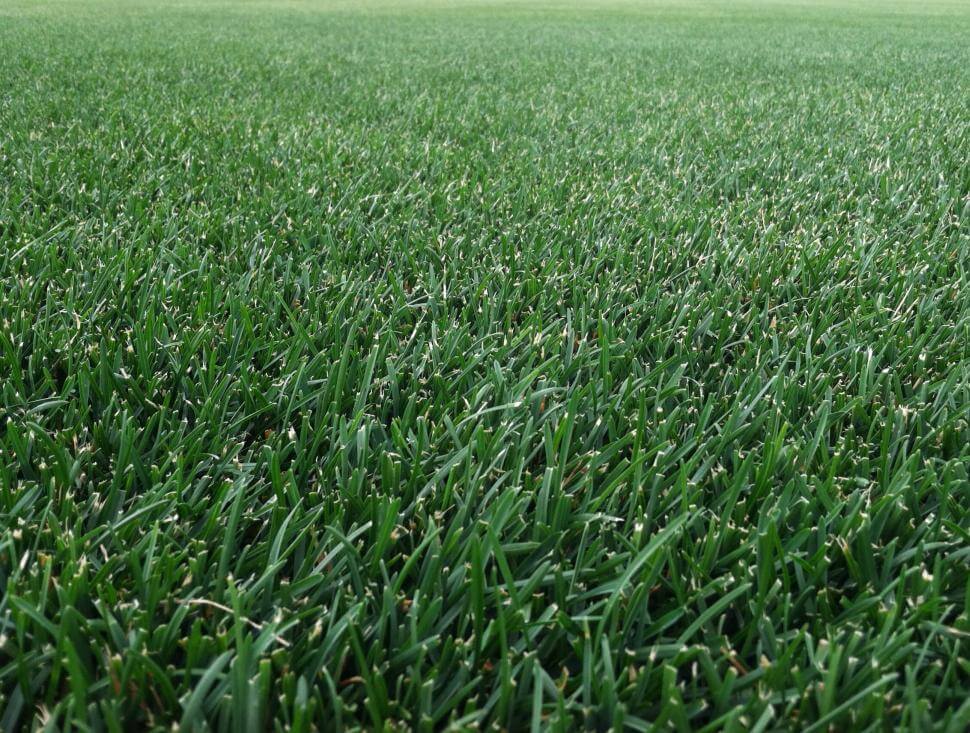
“A New Beginning” For Established and New Turf Lawns If you are needing a fast-establishing perennial ryegrass with a strong root system, that can tolerate traffic, that can quickly recover from stress, and that has increased resistance to red thread, gray leaf spot, snow mold, dollar spot, and other nasty turf disease… RENAISSANCE IS YOUR ANSWER! RENAISSANCE turf-type perennial ryegrass has been specifically bred for improved disease resistance, strong roots, and quick establishment. Now, with three years of independent data, it is easy to see that Renaissance is an ideal choice for use as a straight variety or in any mixture where disease resistance and fast establishment are critical. RENAISSANCE has many impressive benefits, with the first being its quick establishment. In fact tests have shown it to be quicker establishing than many other popular varieties. This means less chance for invasive weeds and undesirable grasses, such as poa annua and crabgrass. RENAISSANCE’s fine-leaf texture, high shoot ratio, and strong root system, provides a lush, year-round dense turf ideal for both high maintenance situations, like athletic fields, and low-maintenance applications, such as home lawns and roadsides. RENAISSANCE was bred for improved disease resist-ance, including red thread, gray leaf spot, snow mold, dollar spot, and pink patch. These natural defense mechanisms combined with a strong root system, allow RENAISSANCE to quickly recover from other stresses such as drought, heat, and excessive traffic wear. RENAISSANCE is best planted on fertile, neutral pH soils during the cooler seasons of the year, such as spring and fall. If needing to plant during other times, plan on additional overseeding. For a thick, lush turf, the following seeding rates are recommended: Seeding Rates in lbs/1000 sq. ft. | | New Planting | Overseeding | Home Lawns | 5-8 | 7-10 | Athletic Fields | 9-15 | 12-18 | Greens | - | 25-35 | Tees | 9-15 | 12-18 | Fairways | 225-350* | 300-425* | | * rates in lbs./acre |
| National Turfgrass Evaluation Program 2000--02 Trial Results | General Characteristics | Renaissance | Radiant | Stellar | *Lsd | Establishment – MO (2000) | 71.7% | 55.0% | 54.2% | 13.9% | Leaf Texture (2001) | 6.5 | 6.2 | 6.2 | 0.3 | Poa Annua – WI (2002) | 9.0 | 8.0 | 8.3 | 0.9 | Turf Quality – ‘02 Data (3rd Year) | Sunnyvale, CA | 6.5 | 6.1 | 6.1 | 0.6 | West Lafayette, IN | 5.0 | 4.8 | 5.0 | 0.3 | Carbondale, IL | 5.1 | 5.0 | 4.9 | 0.9 | Manhattan, KS | 6.4 | 5.5 | 6.6 | 2.8 | N. Brunswick, NJ (Traffic) | 5.8 | 5.0 | 6.8 | 3.2 | University Park, PA | 7.3 | 7.3 | 7.3 | 0.8 | Quebec | 5.7 | 5.4 | 5.2 | 3.2 | Kingston, RI | 7.2 | 7.2 | 7.3 | 4.6 | Blacksburg, VA | 4.6 | 4.0 | 4.3 | 0.7 | Disease Resistance | Red Thread (2002) | 7.0 | 3.0 | 4.7 | 2.5 | Gray Leaf Spot - IL (2000) | 5.7 | 4.3 | 5.3 | 1.5 | Gray Leaf Spot - MD (2002) | 6.0 | 5.3 | 7.0 | 1.6 | Snow Mold – WI (2001) | 3.7 | 2.7 | 2.7 | 1.2 | Dollar Spot – (2002) | 6.5 | 4.8 | 7.1 | 1.3 | Dollar Spot – (2001) | 8.0 | 5.7 | 6.3 | 1.5 | Dollar Spot – (2000) | 5.3 | 4.7 | 7.3 | 1.9 | Pink Patch – NY (2001) | 7.7 | 7.7 | 7.3 | 1.4 | Leaf Spot (2000) | 5.7 | 5.3 | 5.7 | 1.0 | *To determine statistical differences amongst varieties, subtract one entry’s score form another entries. Statistical differences occur when this value is lager than the corresponding LSD value. Complete results available at www.ntep.org |
|
 |