
Nitro-Coat®
Nitro-Coat® is a proven process designed to help legumes reach their full potential.
Nitro-Coat® Advantage
Nitro-Coat® is a proven seed enhancement process based on decades of research, innovative technology, and state of the art systems, designed to help leguminous plants reach their full potential. We focus on ensuring that each seed has access to high levels of live rhizobium in order to maximize the development of nitrogen-producing nodules. This in turn, creates stronger, healthier plants, equipped to reach their optimal potential. This is the Nitro-Coat® Advantage.
Advantage of Inoculation
Every Nitro-Coated® seed begins with the advantage of proper inoculation. Nitrogen fixation is a one of the key values found in legumes and can only occur with the proper inoculation. Although many strains or Rhizobium may be present in the soil, all are not equally beneficial. With Nitro-Coat® each seed is inoculated with the correct Rhizobium strains and coated through a proven process that ensures a very high level of successful inoculation. In addition to our standard Nitro-Coat® for legumes, we offer Nitro-Coat® for alfalfas – an exclusive blend of four Rhizobium strains, developed from over 30 years of research.
Advantage of Our Process

Experience
Nitro-Coat® is more than a coating product. It is an exclusive process to ensure consistent, effective coating. The Nitro-Coat® operation team has over 40 years of combined expertise in coating seed.
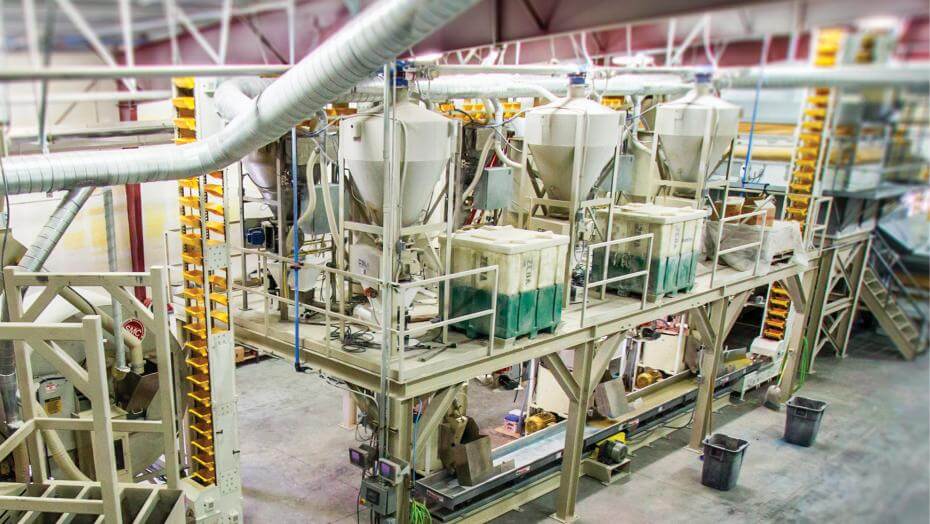
State-of-the-art Facilities
Our modern coating facilities use state-of-the-art equipment and the latest computerization and automation, giving our technicians complete control of the entire process.
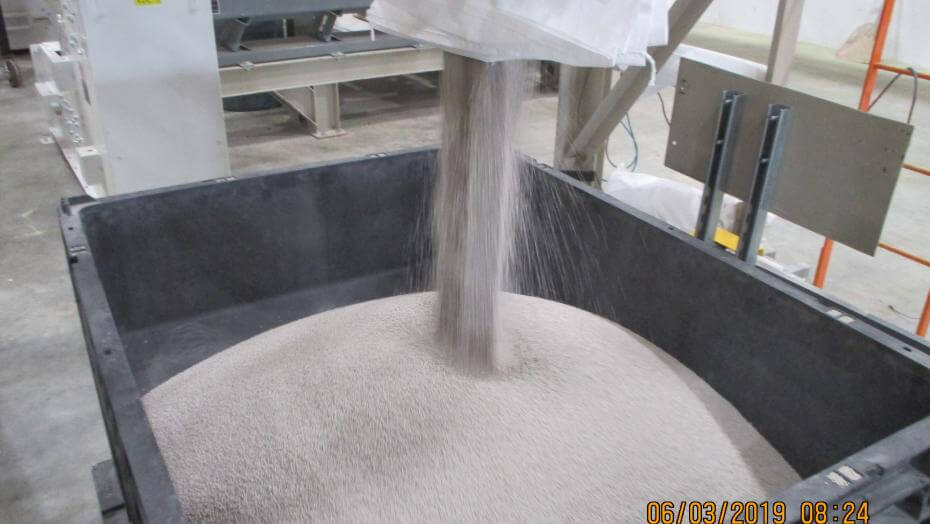
Quality
Quality dictates our decision. From its initial design to the daily operations, our facility and systems are focused on uncompromising quality. Throughout the Nitro-Coat® process, our on-site quality-control lab continually runs test to ensure quality, durability, and consistency.
More Advantages of Nitro-Coat®
Naturally Hygroscopic
A key to any successful establishment and early seed development is moisture. Nitro-Coat® is both naturally hydrophobic and hygroscopic. The protective coating protects seeds from suddenly germinating during a brief single moisture event, while at the same time naturally absorbs water during sufficient moisture events and helps attract soil moisture to the seed for better stand establishment.
Fungicide Retention
Fungicides have been proven protections against diseases like root-rot and pythium. When requested and applied, Nitro-Coat® is designed to keep these valuable protectors near the seed through early seedling development.
Additional Enhancement
Our system and expertise allows us to customize Nitro-Coat® coating formulations to fit your needs. Whether you need specific colors or certain fungicides, we can design a coating to fit your needs. We offer numerous seed treatments and enhancements, including bio stimulants, micronutrients, and water absorbents.
Organic Nitro-Coat®
An organic version of OMRI Listed Nitro-Coat® is available for alfalfas, clovers, and legumes. Our coating has been reviewed and listed by the Organic Materials Review Institute (OMRI).